Source Ultra Fine Natural Shell Powder for Medicine, Food, Cosmetics
Compare 30 listings of ultra fine natural shell powder from verified Chinese suppliers. Buyers can evaluate grades, certifications, and packaging options for applications in medicine, food, and health care products; compare the available evidence and request quotations based on your requirements.
Key considerations
Products List


$3050.00 - $4300.00
Moq: 5




Comprehensive Sourcing Guide
Ultra Fine Natural Shell Powder Sourcing Guide
Procuring ultra fine natural shell powder requires a disciplined approach to material identification and supply chain verification. Buyers must first distinguish between various shell sources, such as clam, oyster, or eggshell membranes, as each offers distinct chemical profiles and functional benefits. The observed market data indicates a wide range of product models, from JY-ZSJ01 to WG-ESM-01, reflecting diverse processing methods and purity levels. Understanding these variations is critical for aligning the raw material with specific end-use requirements, whether for pharmaceuticals, cosmetics, or food supplements.
The sourcing landscape is characterized by significant variability in packaging and minimum order quantities. Listings show MOQs ranging from 1kg to 5000kg, with packaging options including 25kg kraft paper bags, jumbo bags, and vacuum-packed drums. This flexibility allows buyers to scale orders according to production needs, but it also necessitates careful logistical planning. Procurement teams should evaluate the total landed cost, including handling fees for different packaging types, to ensure that the chosen supplier can meet both quality standards and delivery timelines without compromising budget efficiency.
Product Scope and Observed Listing Signals
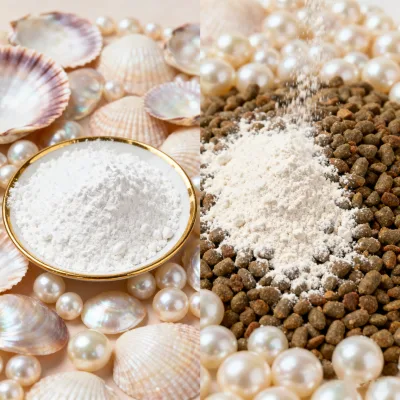
The current market listings reveal a diverse array of shell-derived ingredients, including boold clam shell extract, oyster shell powder, and egg shell membrane powder. These products are primarily presented as white or off-white to light yellow fine powders, with particle sizes that typically pass an 80-mesh sieve. The observed price range spans from $0.30 to $4,300, indicating that cost is heavily influenced by the extraction type, assay purity, and specific application grade. Buyers should note that "ultra fine" is a relative term, and verification of particle size distribution is essential to ensure compatibility with manufacturing equipment.
Applications for these powders are broad, covering medicine, health care products, food, and cosmetics. Specific forms mentioned include capsules, tablets, pastes, suppositories, lotions, and injections, suggesting that the powder must meet stringent purity and solubility standards for certain uses. The presence of certifications such as FDA, HACCP, ISO, BRC, and RoHS in the listings signals that many suppliers cater to regulated industries. However, buyers must verify that the specific certification applies to the exact product model and batch, as certifications can vary between different production lines or facility locations within the same supplier network.
Technical Specifications to Verify
Technical verification begins with confirming the grade and material composition of the shell powder. Listings indicate grades such as Food Grade E171 and Food and Cosmetic Grade, which dictate the permissible impurity levels and heavy metal content. Buyers should request detailed assay reports using methods like UV, HPLC, GPC, or HPLC-MS to validate the content of active substances, which are often cited as greater than 90%. Additionally, the crystal type, such as Anatase Type for titanium dioxide components, must be confirmed to ensure it aligns with the intended functional properties of the final product.
Particle size and physical appearance are critical for processing efficiency and product consistency. The observed specification of 100% passing an 80-mesh sieve is a baseline, but buyers may require finer or coarser grades depending on their formulation needs. The state of the product is consistently listed as powder, with appearances ranging from white to off-white. Storage conditions, typically recommended as a cool, dry place, and shelf life, often cited as two years or more than twelve months, must be factored into inventory management strategies to prevent degradation or clumping during long-term storage.
Compliance and Safety Documentation
Compliance documentation is paramount when sourcing shell powders for regulated industries. Buyers must ensure that the supplier provides valid certificates for ISO9001, Halal, Kosher, HACCP, and FDA standards, as these are frequently mentioned in the observed listings. It is crucial to verify that these certifications are current and cover the specific manufacturing site and product model. For instance, while some listings mention compliance with FCC standards, others focus on food and cosmetic grades, so the documentation must match the regulatory requirements of the destination market and the intended application of the powder.
Safety data sheets and test reports should be reviewed to confirm the absence of contaminants and the accuracy of the nutrient composition. The extraction type, whether solvent or liquid-solid, can impact residual solvent levels, which must be within safe limits for food and pharmaceutical applications. Buyers should also check for RoHS compliance if the powder is used in electronic or cosmetic formulations that may involve heavy metal restrictions. Ensuring that the supplier can provide batch-specific test results, including TLC test methods where applicable, adds an additional layer of assurance regarding product safety and quality consistency.
Cost Drivers and Commercial Terms
Cost drivers for ultra fine natural shell powder include the source material, extraction complexity, and packaging requirements. The observed MOQ range of 1kg to 5000kg allows for flexible purchasing, but larger orders may offer better unit pricing. Packaging materials, such as plastic drums, aluminum foil bags, or kraft paper bags, also influence the final cost, as do the net and gross weights specified in the listings. Buyers should negotiate terms that account for sample costs, with some suppliers offering 10-20g samples for free, which can be valuable for initial quality testing before committing to larger volumes.
Commercial terms should clearly define payment methods, delivery schedules, and liability for quality issues. The observed product origins, primarily from China and specifically Shaanxi province, may impact shipping costs and lead times. Buyers should establish clear agreements on how deviations from specifications will be handled, including return policies or credits for non-conforming goods. Additionally, understanding the shelf life and storage requirements is essential for managing inventory costs and minimizing waste, as improper storage can lead to product degradation and financial loss.
Supplier Qualification and Quality Control
Supplier qualification involves a thorough assessment of their manufacturing capabilities and quality management systems. Buyers should verify the supplier’s history, production capacity, and ability to maintain consistent quality across batches. The presence of multiple certifications, such as ISO, Halal, and Kosher, suggests a robust quality control framework, but on-site audits or third-party inspections may be necessary to confirm adherence to these standards. It is also important to evaluate the supplier’s responsiveness to technical queries and their ability to provide detailed product information and support.
Quality control processes should include rigorous incoming material inspection, in-process monitoring, and final product testing. Buyers should request information on the supplier’s testing protocols, including the use of UV, HPLC, and other analytical methods to verify purity and potency. The ability to provide batch-specific certificates of analysis is a key indicator of a reliable supplier. Additionally, suppliers should have clear procedures for handling customer complaints and conducting root cause analyses for any quality issues, ensuring continuous improvement and customer satisfaction.
Long-Term Procurement Checks
Long-term procurement success depends on establishing a stable and reliable supply chain for ultra fine natural shell powder. Buyers should conduct periodic reviews of supplier performance, including on-time delivery rates, quality consistency, and responsiveness to issues. Building a strong relationship with the supplier can lead to better pricing, priority production, and access to new product developments. It is also advisable to diversify the supplier base to mitigate risks associated with supply disruptions, geopolitical factors, or changes in regulatory requirements.
Continuous monitoring of market trends and regulatory changes is essential for maintaining compliance and competitiveness. Buyers should stay informed about updates to FDA, FCC, and other relevant standards that may affect the sourcing and use of shell powders. Additionally, exploring alternative sources or formulations can provide flexibility in case of supply chain constraints. By maintaining a proactive approach to supplier management and market analysis, buyers can ensure a steady supply of high-quality ultra fine natural shell powder for their production needs.
FAQs
What certifications do ultra fine natural shell powders hold?
These powders hold FDA, HACCP, ISO, BRC, RoHS, Halal, and Kosher certifications. They comply with FDA and FCC standards to ensure safety for food, medicine, and health care applications. Buyers can verify these credentials before placing orders for capsule, tablet, or lotion formulations.
How is the particle size specified for these shell powders?
The particle size is specified as 100% passing through an 80 mesh screen. This ensures a consistent ultra-fine texture suitable for various applications like capsules, tablets, and lotions. The fine powder appearance supports high whiteness and strong hiding power in final products.
Can I get free samples of ultra fine natural shell powder?
Yes, free samples of 10 to 20 grams are available for evaluation. This allows buyers to test the white powder appearance and quality before committing to larger orders. The minimum order quantity starts at 1kg, making it easy to transition from sampling to bulk purchasing.
What packaging options are available for shell powder orders?
Packaging includes 25kg Kraft paper bags, 25kg drums, and 1000kg jumbo bags. Some options feature vacuum packing or aluminum foil bags within drums. These methods ensure the powder remains stable when stored in cool, dry places for up to two years.
Which extraction methods are used for natural shell extracts?
Extraction methods include solvent extraction and liquid-solid extraction processes. These techniques isolate active substances to achieve content levels greater than 90%. The resulting powder is suitable for health care products, medicine, and food applications requiring high purity and natural resources.
What is the shelf life of ultra fine natural shell powder?
The shelf life is typically two years or more than twelve months when stored correctly. Buyers should keep the powder in a cool, dry place to maintain quality. Proper storage ensures the white or off-white fine powder remains effective for medicine and food grade applications.